Redgate Sql Compare Pro
They were the only band in my youth that seemed to understand the battles I fought within myself. “The Messenger” “Just the lyrics alone speak volumes. Linkin park songs in the end. Their lyrics spoke for me when I could not. ‘When you feel you’re alone. I wish they knew how many times they saved me, when I felt I could not be saved.” — Linda T.
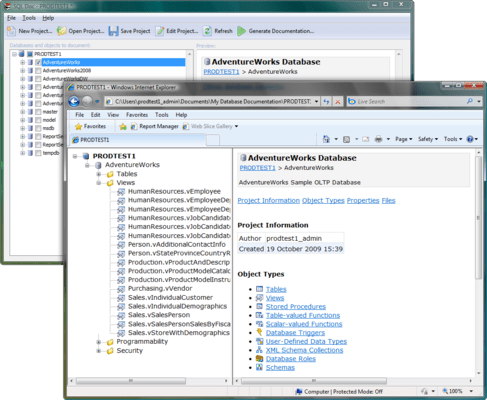
Download a 14-day free trial of SQL Compare from Redgate Software. Compares and synchronizes SQL Server databases, automate comparisons, and helps to manage versioning issues.
Redgate Sql Compare Problems
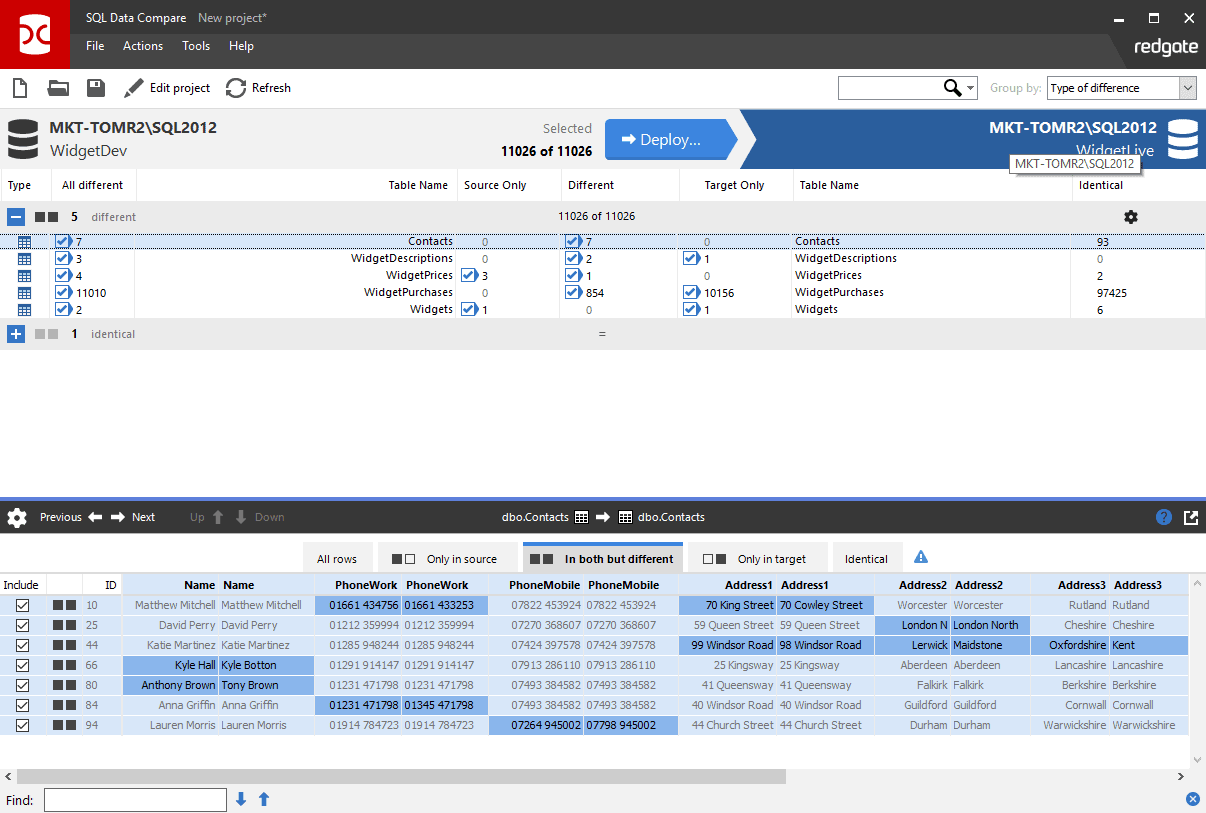
What's new in SQL Compare 12.4 Summary view of detailed differences The biggest change we have made in SQL Compare 12.4 is to add a brand new way to examine the differences between two objects in your database. Up until now, SQL Compare has always relied on the SQL differences viewer to convey the differences between an object in the source database and its counterpart in the target database: As illustrated in the screenshot above, the SQL differences viewer often makes it harder than it could be to see what the differences are.
Redgate Sql Toolbelt
Problems include: • syntactic differences like the addition or removal of trailing commas are highlighted but are semantically irrelevant. • columns in different orders in the source and target cause entire rows to be highlighted as different when in fact there is no change at all. • features that are often ignored, like constraint names, are still highlighted as different despite having no effect on any subsequent deployment.
Redgate Sql Compare Product
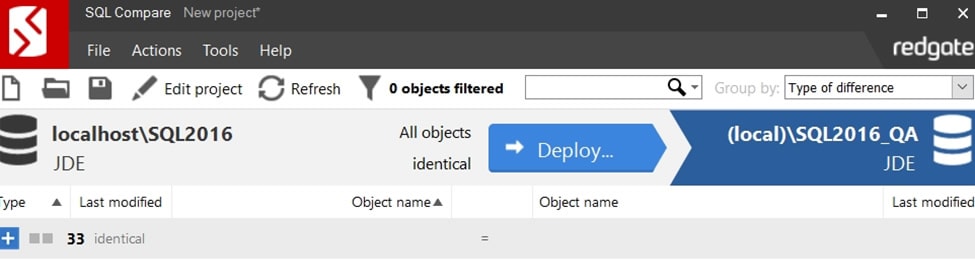
• constraints that are inlined on one side but not the other result in both being highlighted as different but in fact they are semantically identical. To address these shortcomings, SQL Compare 12.4 adds an alternative way of viewing the differences between objects in a database. The new summary view provides a more concise view of the differences between two objects by getting rid of the SQL and showing only the semantic differences between objects in a much more structured way: In the above screenshot, you can clearly see the addition of a column, a modification to another and a change to a primary key constraint.